How To Organise A Trip
A practical step-by-step guide to how to organise a trip, including preparation, instructions, common issues, tips, and next steps.
How To Organise A Trip
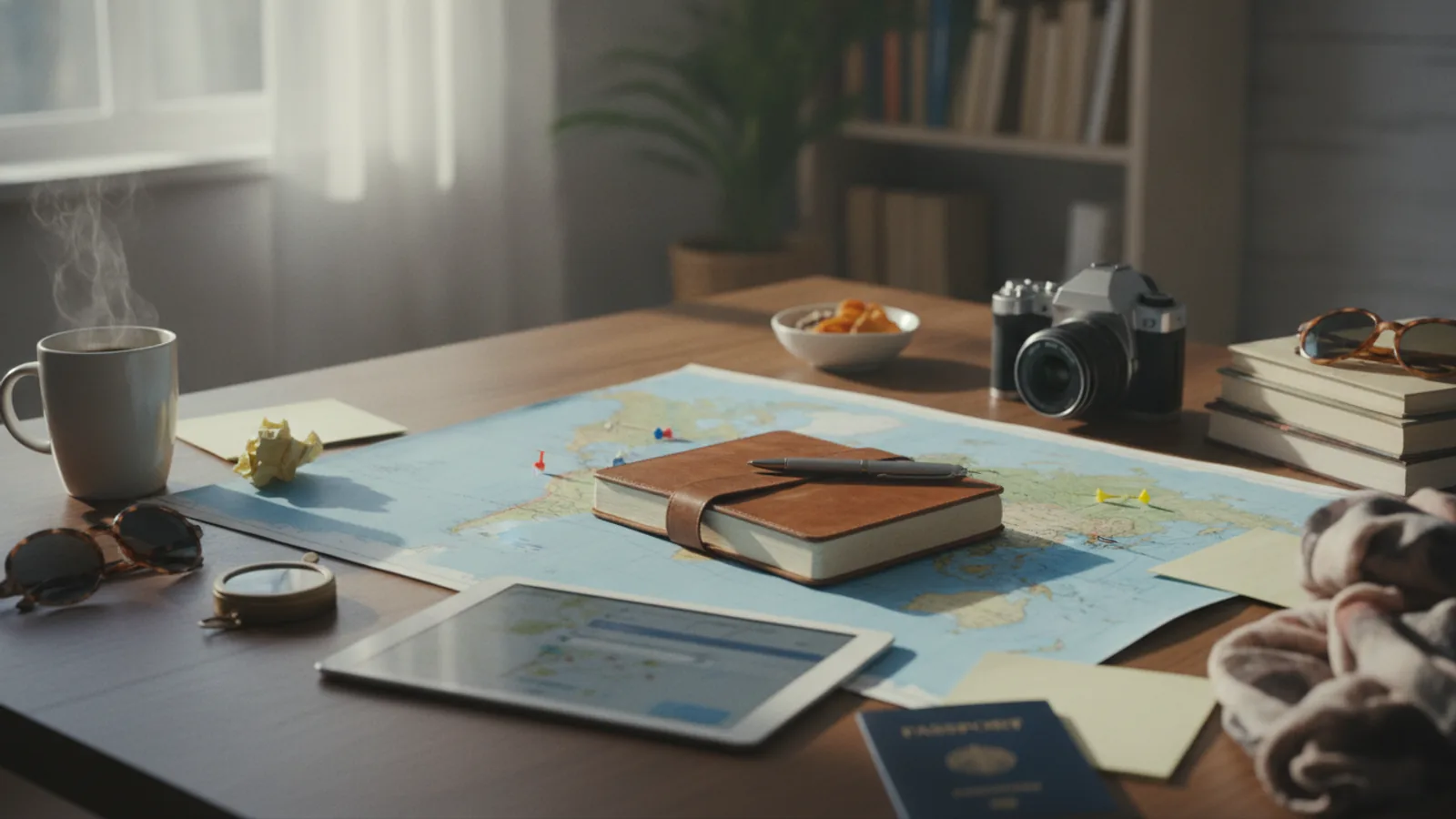
This guide explains how to approach how to organise a trip, including the preparation, practical steps, common mistakes, and final checks that help you finish with confidence.
Before You Start
Step-by-Step Instructions
Quick Reference
Common Problems When You Organise A Trip
Even with careful planning, unexpected issues can arise. Knowing common pitfalls and how to address them can save you stress and money.
-
Problem: Overspending Your Budget.
Fix: This is a frequent challenge. To stay on track, regularly review your spending categories during the planning phase. Prioritise what's most important to you (e.g., unique experiences over luxury accommodation). Look for package deals that combine flights and hotels, travel during off-peak seasons, or consider preparing some of your own meals to reduce restaurant costs. While travelling, track your expenses daily using a simple app or notebook.
-
Problem: Missing Important Documents.
Fix: The nightmare of forgetting your passport or visa can be avoided with organisation. Create a dedicated travel folder (physical and digital) for all confirmations, tickets, passport copies, and insurance details. Use a checklist and physically tick off each document before leaving your home. Keep digital copies on your phone and in a cloud service for easy access, and leave copies with a trusted contact back home.
-
Problem: Unexpected Delays or Cancellations.
Fix: Travel disruptions are often unavoidable. This is where comprehensive travel insurance proves invaluable, offering cover for flight delays, lost luggage, or trip cancellations. For flight delays, use airline apps for real-time updates and know your passenger rights. Always have a "Plan B" for how you'll get to your next destination if one leg of your journey is disrupted. Pack a small emergency kit in your hand luggage with essentials in case your main luggage is delayed.
-
Problem: Packing Too Much (or Too Little).
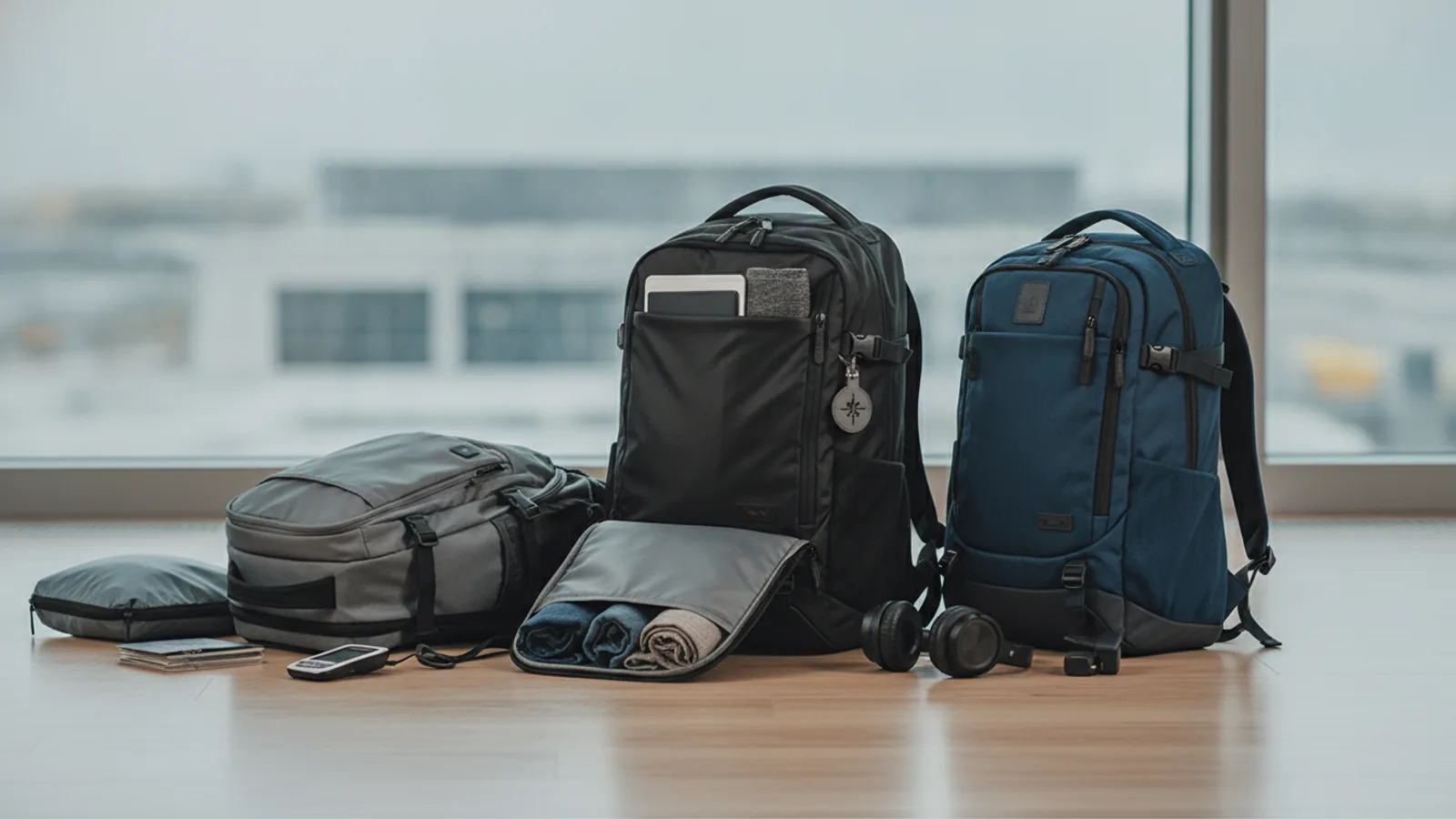
Fix: Striking the right balance is tricky. Refer to your detailed packing list, which should be based on your itinerary and destination weather. Lay out all your chosen clothes and then challenge yourself to remove at least two items. For those who fear packing too little, research if essential items are readily available and affordable at your destination. Focus on versatile clothing that can be mixed, matched, and layered.
-
Problem: Communication Issues Abroad.
Fix: Language barriers can be frustrating. Learn a few basic phrases in the local language like "hello," "thank you," and "excuse me." Download a translation app that works offline. Consider buying a local SIM card or an e-SIM for affordable data access, or check if your current mobile plan offers reasonable international roaming options. Gesture and patience can also go a long way.
Advanced Tips for How To Organise A Trip
Once you've mastered the basics of how to organise a trip, these advanced strategies can help you optimise your planning and enhance your travel experience.
- Use Flight Comparison Tools Strategically: Don't just check one website. Use multiple flight comparison engines (e.g., Google Flights, Skyscanner, Kayak) and also visit airline websites directly. Look into "open-jaw" flights (flying into one city and out of another) or multi-city options, which can sometimes save money. Consider flying into a larger, cheaper airport and using local transport to reach your final destination. Always be flexible with dates and nearby airports if possible.
- Leverage Loyalty Programmes and Credit Card Points: Sign up for airline, hotel, and travel credit card loyalty programmes. Consistently collecting points can lead to free flights, discounted hotel stays, room upgrades, or other travel perks. Even if you don't travel constantly, these points can accumulate over time and offer significant savings.
- Consider a Travel Agent for Complex Journeys: For multi-stop international trips, cruises, safari tours, or very niche adventure holidays, a skilled travel agent can be invaluable. They have access to exclusive deals, in-depth destination knowledge, and can handle complex logistics, saving you significant time and stress. They can also provide support if issues arise during your trip.
- Deep Dive into Local Customs and Etiquette: Before you go, spend some time researching the local customs, social norms, and etiquette of your destination. This includes understanding appropriate dress codes, tipping habits, greetings, and public behaviour. Showing respect for local culture can lead to more positive interactions and a richer travel experience.
- Digitalise Everything: Beyond basic document copies, use dedicated travel apps like TripIt or WorldMate to organise all your bookings into a single, master itinerary. Store copies of your passport, visa, insurance, and other critical information in a secure cloud service (e.g., Google Drive, Dropbox) that you can access from any device, even if your physical documents are lost or stolen.
- Learn Essential Local Phrases: Making an effort to learn even a few basic phrases in the local language ("hello," "please," "thank you," "excuse me," "how much?") can dramatically improve your interactions with locals. It shows respect and can often lead to warmer receptions, helpful advice, or even better service.
- Balance Planning with Spontaneity: While a well-organised trip is efficient, an overly rigid schedule can lead to stress. Build in ample free time to wander, explore unexpected sights, or simply relax. Some of the best travel memories come from unplanned moments and discoveries.
How To Organise A Trip FAQ
Here are answers to some common questions people have when planning their travels.
| Q: When is the best time to book flights to get a good deal? | A: Generally, for international flights from the GB, booking 3-6 months in advance is often ideal. For domestic flights, 1-3 months ahead typically yields the best prices. However, prices can fluctuate, so it's always wise to compare fares using different tools and consider booking during the week, rather than at weekends, for potentially cheaper rates. |
|---|---|
| Q: How can I save money on accommodation while travelling? | A: To cut accommodation costs, consider travelling during the off-season when demand is lower. Explore alternatives to traditional hotels, such as hostels, guesthouses, or self-catering apartments. Booking accommodation slightly outside the main city centre, but with good public transport links, can also offer significant savings. Always look for places with free cancellation options if your plans are not completely firm. |
| Q: Is travel insurance really necessary, or can I skip it to save money? | A: Yes, absolutely. Travel insurance is highly recommended and should not be skipped. It protects you from a wide range of unforeseen circumstances, including medical emergencies abroad, trip cancellations, lost or delayed luggage, and personal liability. The cost of insurance is a small investment compared to the potentially huge expenses you could face if something goes wrong during your trip. |
| Q: What's the best way to handle money when travelling abroad? | A: It's best to use a combination of methods. A credit card with no foreign transaction fees is ideal for larger purchases. A debit card can be used for withdrawing local currency from ATMs, but check for withdrawal fees. Carry a small amount of local cash for small purchases or emergencies. Always inform your bank of your travel dates to prevent your cards from being blocked due to unusual activity. |
| Q: Should I plan every single detail of my trip, or leave room for spontaneity? | A: While a basic framework with booked flights, accommodation, and key activities is essential, trying to plan every minute can lead to stress and burnout. It's often best to strike a balance: have a general itinerary but leave ample free time for spontaneous exploration, unexpected discoveries, or simply relaxing. This allows for a more flexible and enjoyable travel experience. |
Final Checklist for How To Organise A Trip
Before you head off on your adventure, use this checklist to make sure everything is in order and you've covered all the important details. A thorough final check will give you peace of mind.
- Passport: Valid for at least 6+ months beyond your planned return date.
- Visas: All required visas obtained and printed/saved electronically.
- Travel Insurance: Comprehensive policy purchased and details easily accessible.
- Flight/Train/Bus Tickets: All major transport booked, confirmed, and accessible.
- Accommodation: All hotels/stays booked, confirmed, and accessible.
- Budget: Final budget defined and funds allocated for all expenses.
- Itinerary: A general plan of activities for each day is ready.
- Payment Methods: Credit/debit cards notified to your bank, some local currency obtained or planned.
- Packing: Suitable clothes, toiletries, essential medications, chargers, and any necessary travel adapters are packed.
- Copies of Documents: Digital and physical backups of all essential documents made and stored separately.
- Home Arrangements: Pets, plants, mail, and home security are sorted.
- Emergency Contacts: Saved in your phone and written down in a physical location.
- Offline Maps/Apps: Downloaded for your destination to use without internet access.
- Medications: All necessary prescription medications packed with copies of prescriptions if required.
What should I check before acting on advice about how to organise a trip?
Use this guide as a starting point, compare current specifications and costs, and check the details that apply to your own situation before making a purchase or booking.
Where can I find related route-essentials guidance?
Browse the related guides in this section for practical comparisons, planning notes, and next steps that support the same decision.