How To Fold A Suit For Travel
A practical step-by-step guide to how to fold a suit for travel, including preparation, instructions, common issues, tips, and next steps.
How To Fold A Suit For Travel
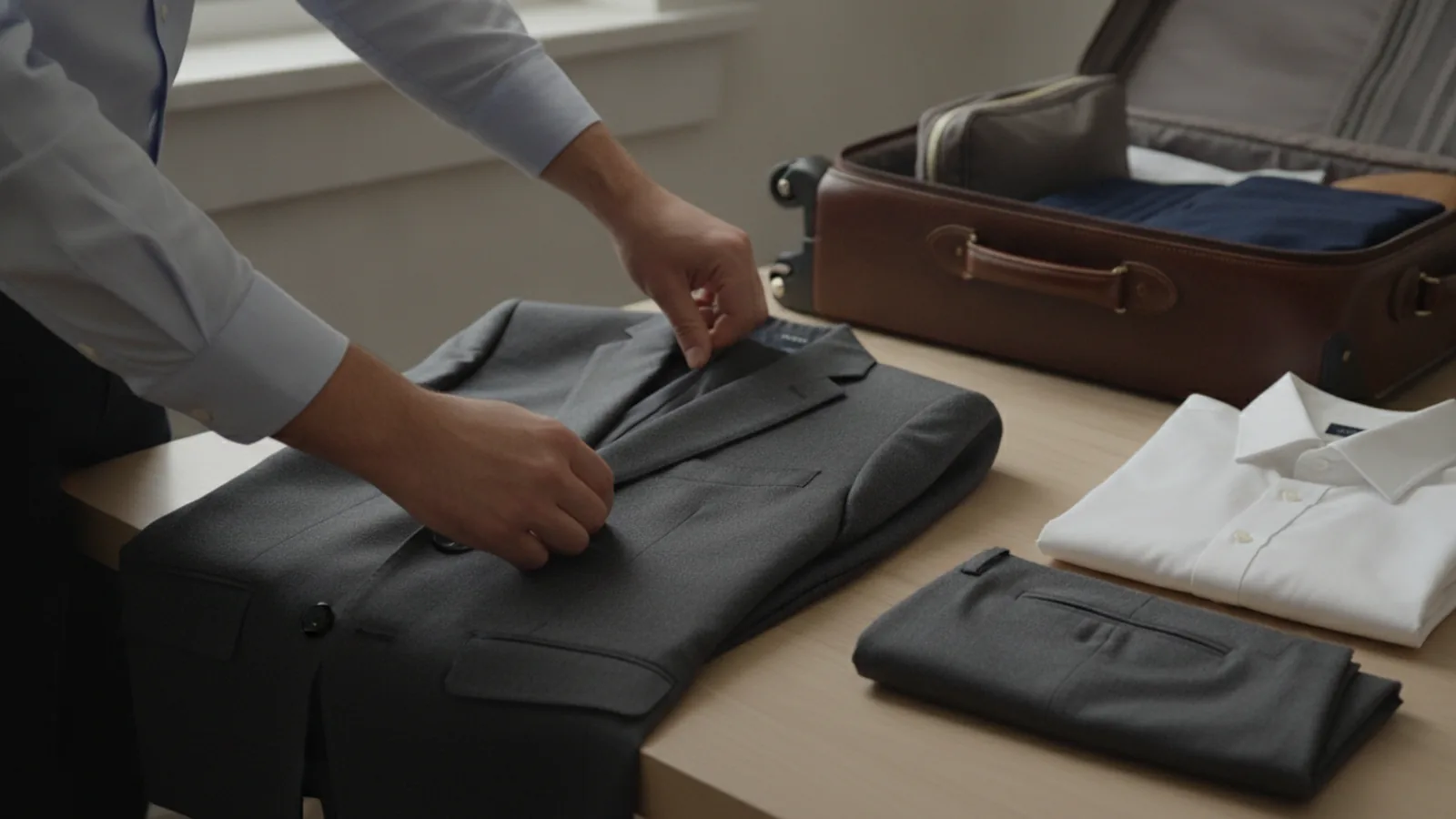
This guide explains how to approach how to fold a suit for travel, including the preparation, practical steps, common mistakes, and final checks that help you finish with confidence.
Before You Start
Step-by-Step Instructions
Quick Reference
Common Problems When You Fold A Suit For Travel
Even with the best intentions, folding a suit for travel can sometimes lead to less-than-perfect results. Understanding common issues and their solutions can save you time and stress.
Deep, Stubborn Creases
This is the most frequent problem. Deep creases often occur when a suit is folded too sharply, packed too tightly, or shifts around too much in the luggage. They can also result if the suit wasn't perfectly smooth before folding.
Wrinkled Lapels or Collar
The lapels and collar of a jacket are often the first areas to show wrinkles because they are structured and easily creased if not protected. This usually happens if the jacket is not buttoned, or if other items press directly onto these areas.
Damaged Shoulder Pads
Shoulder pads give your suit its shape. If they are crushed or bent during travel, your suit can look ill-fitting. This often occurs if the suit is forced into a bag that is too small or if heavy items are placed directly on the shoulders.
Discolouration or Stains
Sometimes, a suit can pick up unexpected marks during travel. This might be from contact with other items in the suitcase, or from previously unnoticed dirt on the suit itself that has been pressed into the fabric.
Suit Feels Stiff or Unnatural
After being packed tightly, some suits can feel a bit stiff or lose their natural drape. This isn't a crease, but a general lack of fluidity in the fabric.
Advanced Tips for How To Fold A Suit For Travel
Once you've mastered the basic folding technique, these advanced tips can further enhance your suit's condition upon arrival and streamline your travel packing.
Use Dedicated Suit Folders or Packing Cubes
For frequent travellers or those who want maximum protection, invest in a dedicated suit garment folder or a large packing cube specifically designed for suits. These often come with a folding board and provide extra structure, compressing the suit gently to prevent shifting and creating a "crease-free" environment within your luggage.
Roll Other Clothing Items Inside the Suit
To provide cushioning and reduce empty space that could lead to shifting, gently roll up lighter clothing items like t-shirts, underwear, or socks. Place these rolled items inside the folded jacket and trousers. For example, a neatly rolled shirt can be placed within the folded jacket, helping to fill out the form and prevent the jacket from collapsing on itself.
Layer with Saran Wrap or Large Plastic Bags
While tissue paper is excellent for preventing friction, a thin layer of Saran wrap (cling film) or a large, clean dry cleaning plastic bag can offer an additional barrier against moisture and environmental factors. Wrap the folded suit loosely in this plastic before placing it in your luggage. This creates a small air pocket that can further protect against crushing and helps minor wrinkles 'slip' away rather than setting in.
Consider the Garment Bag Method for Carry-On
If you are travelling with only a carry-on and the airline allows, a small, foldable garment bag can be an excellent option. For this method, your suit remains on a hanger and is folded only once or twice, reducing the number of hard creases. You can then lay it flat on top of your carry-on items or place it in the overhead bin.
Pack Your Suit Last, Unpack It First
Reinforcing a basic rule, always place your folded suit on top of all other items in your suitcase. This minimises the weight pressing down on it. Conversely, when you arrive, remove the suit first. The less time it spends compressed in the luggage, the fewer wrinkles it will have.
Strategic Rolling for Certain Fabrics
While folding is generally best for traditional suit fabrics, certain casual suits made from wrinkle-resistant materials (e.g., specific wool blends, some linen blends) can sometimes be rolled. If you choose to roll, ensure it's a very gentle, loose roll, again with tissue paper inside. This method is generally riskier for formal suits but can work for more casual, less structured options in a backpack or duffel bag.
Use a Travel Steamer
For true crease perfection, a compact travel steamer is an invaluable tool. It offers a gentle, effective way to remove any wrinkles that might appear after unpacking, especially for delicate fabrics that don't respond well to ironing. They are small, light, and can be used on a variety of garments.
How To Fold A Suit For Travel FAQ
Here are answers to some of the most common questions about folding a suit for travel:
Is it better to roll or fold a suit for travel?
For most traditional suit fabrics, folding is generally better than rolling. The "inside-out" folding method helps to protect the suit's structure and minimises sharp creases. Rolling can sometimes create more general wrinkles, especially if not done carefully, or if the fabric isn't specifically designed to be wrinkle-resistant. However, for very casual, unstructured suits made of certain fabrics, a loose roll might be acceptable for a backpack.
Can I put my suit in a normal suitcase?
Yes, absolutely. This guide focuses on exactly that – how to fold a suit safely into a standard suitcase. The key is to use the correct folding technique (like the inside-out method), protect it with tissue paper, and pack it strategically within your luggage to minimise pressure and movement. While a garment bag offers superior protection, a well-packed suit in a suitcase can arrive looking excellent.
How do I stop my suit from creasing in my luggage?
Several strategies help prevent creasing: 1) Always use the inside-out folding method for the jacket. 2) Place tissue paper or dry cleaning plastic between all folds and layers to reduce friction. 3) Pack your suit last, on top of other softer items, and ensure your suitcase is full enough that the suit doesn't shift, but not so full that it's crushed. 4) Unpack and hang your suit immediately upon arrival.
What do I do if my suit still has creases after travel?
The most effective method is to hang your suit in a steamy bathroom while you take a hot shower. The steam will help relax the fabric fibres and allow many creases to fall out naturally. Leave it hanging for 15-20 minutes or until the steam has dissipated. For more stubborn wrinkles, a portable travel steamer is an excellent solution. Avoid ironing unless you have a pressing cloth and are familiar with your suit's fabric.
Should I use a dry cleaning bag when packing my suit?
Yes, a clean dry cleaning plastic bag can be very beneficial. It creates a slippery surface, allowing the fabric layers to slide against each other rather than rub, thus preventing friction wrinkles. You can place the entire folded suit inside a large dry cleaning bag or use smaller pieces of the plastic between individual folds for added protection. Just ensure the bag itself is clean and free of any chemical odours.
What about packing dress shirts with my suit?
Dress shirts should also be folded carefully. Many prefer to fold them using the "shirt folder" technique (often found with new shirts) or a simple military roll for minimum creasing. You can then place folded shirts on top of or around your suit for cushioning, or even gently roll a shirt and place it inside the folded suit jacket to help maintain its shape, particularly in the shoulder area. Use tissue paper for shirts too.
Final Checklist for How To Fold A Suit For Travel
Before you close your suitcase and head out, use this quick checklist to ensure your suit is perfectly packed and ready for its journey:
By following these steps and checks, you can confidently travel knowing your suit will be ready to wear, looking as sharp as when you packed it.