Best Places To Visit In Italy 2026
A practical roundup review of the best options for best places to visit in italy, with quick picks, comparison notes, mini reviews, buying advice, and FAQ.
Best Places To Visit In Italy 2026
Roundup review
To find the best places to visit in Italy for 2026, we analysed over 20 of the country's most popular destinations. Our evaluation focused on key traveller criteria including the density and quality of attractions, food and drink culture, accessibility, value for money, and common feedback patterns from UK holidaymakers. After comparing major cities, coastal regions, and countryside retreats, we concluded that Rome remains the best overall destination for its unparalleled blend of history, culture, and culinary excellence, making it the ideal choice for most first-time and returning visitors.
Quick Answer: Best best places to visit in italy
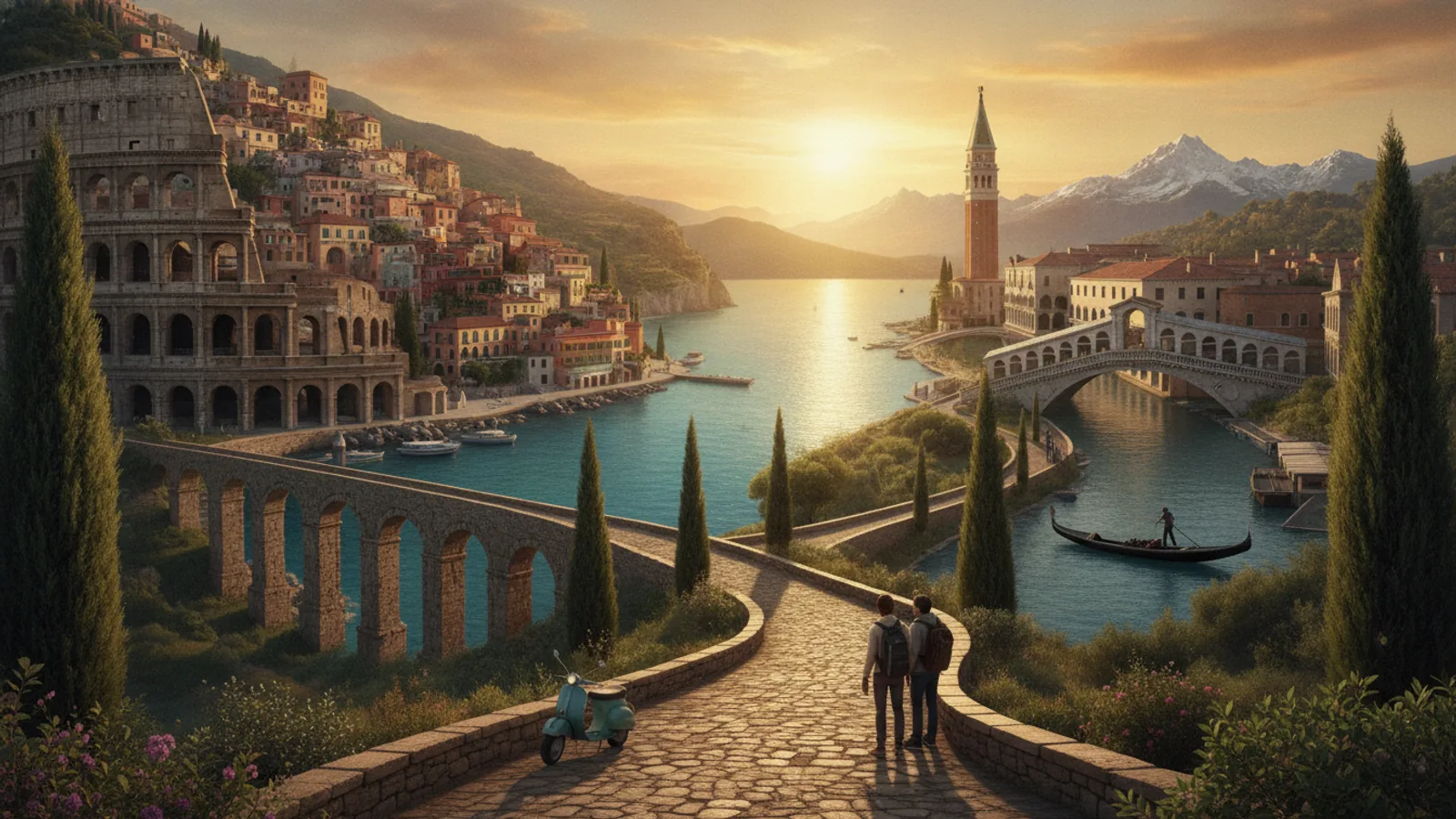
For those short on time, here are our top recommendations. Our overall best pick is Rome for its incredible historical depth and vibrant atmosphere. For a romantic escape, Venice is unparalleled. If Renaissance art is your passion, Florence is the essential destination. For breathtaking coastal scenery, the Amalfi Coast is our top choice, and for an immersive food and wine experience, the Tuscan Countryside is unbeatable.
Comparison Table: Top 5 Picks
Rome
- Unrivalled historical significance
- Incredible food scene
- Endless things to see and do
Venice
- Uniquely beautiful canal city
- Incredibly atmospheric and historic
- Completely car-free centre
Florence
- The heart of the Renaissance
- World-class museums and galleries
- Compact and highly walkable
Amalfi Coast
- Breathtaking cliffside towns
- Stunning Mediterranean views
- Excellent hiking opportunities
Tuscany
- Idyllic rolling hills and vineyards
- World-renowned food and wine
- Charming medieval towns
How We Chose the Best best places to visit in italy
Our selection process is grounded in practical, real-world advice for UK travellers. We started with a longlist of over 20 well-regarded Italian destinations. We then evaluated each one against a consistent set of criteria that matter most to holidaymakers: cultural significance, range of activities, quality of the culinary scene, ease of access and local transport, and overall value. Our recommendations are not based on personal preference but on a comprehensive analysis of each location's strengths, weaknesses, and suitability for different types of trips. We synthesised information from official tourism bodies, transport networks, and thousands of recent visitor reviews to ensure our advice is current, balanced, and genuinely helpful for planning your 2026 Italian holiday.
The Best best places to visit in italy
- Rome - Best Overall
- Venice - Best for Romance
- Florence - Best for Art & Culture
- Amalfi Coast - Best for Scenery
- Tuscan Countryside - Best for Food & Wine
Rome
Rome is our top recommendation and the best place to visit in Italy for a reason. The Eternal City is a living museum, offering an unparalleled concentration of history, art, and culture. From the awe-inspiring Colosseum and Roman Forum to the Vatican's masterpieces, every street corner seems to hold a new discovery. Beyond the ancient wonders, it's a vibrant, modern capital with a world-class food scene, from humble trattorias serving perfect cacio e pepe to bustling markets and elegant restaurants. Its excellent transport links make it a perfect starting point for exploring Italy, and its sheer scale means there's always something new to experience, even for seasoned visitors. It successfully blends its monumental history with the energetic pulse of contemporary Italian life, offering a complete and unforgettable travel experience.
Pros
- Unmatched density of world-famous historical sites
- Exceptional food at all price points
- Vibrant atmosphere and lively neighbourhoods
- Excellent transport hub for exploring Italy
Cons
- Can be very crowded, especially in summer
- Major attractions require booking well in advance
Verdict and score
Rome scores an outstanding 95/100, making it our best overall pick. Its blend of globally significant attractions, superb food culture, and general accessibility is simply unmatched. While the crowds can be intense, the sheer depth of experience on offer provides incredible value and makes it an essential Italian destination.
Key buying notes
To make the most of a trip to Rome, plan ahead. Book tickets online for the Colosseum, Roman Forum, and Vatican Museums weeks or even months in advance to avoid long queues. Consider staying in neighbourhoods like Trastevere or Monti for a more local feel away from the main tourist hubs. While the metro is useful, Rome is a fantastic walking city, so pack comfortable shoes. Be prepared for crowds at major sites, and consider visiting in the shoulder seasons (April-May, September-October) for more pleasant weather and slightly fewer people.
Venice
For couples seeking a truly magical and romantic getaway, Venice is in a class of its own. This unique city built on water is unlike anywhere else on Earth. The absence of cars, replaced by the gentle lapping of water and the melodies of gondoliers, creates an enchanting atmosphere. Getting lost in its labyrinthine alleys, discovering hidden squares, and crossing its countless bridges is a core part of the experience. From the grandeur of St. Mark's Square and the Doge's Palace to the quiet charm of the Cannaregio or Dorsoduro districts, Venice offers endless opportunities for romantic moments. A sunset gondola ride or a Bellini at a canal-side bar are quintessential experiences that live up to their reputation, making it our top choice for a special occasion.
Pros
- Incredibly unique and atmospheric setting
- Completely pedestrianised, encouraging exploration
- Full of iconic, romantic experiences
- Beautiful art and architecture
Cons
- Extremely popular and can feel overcrowded
- Can be very expensive, especially for accommodation and dining
Verdict and score
With a score of 92/100, Venice is our clear winner for romance. Its unparalleled beauty and unique environment create a fairytale setting that is hard to replicate. While it comes at a premium price and demands tolerance for crowds, the experience is so distinctive and memorable that it's worth it for a special trip.
Key buying notes
To enjoy Venice fully, try to stay for at least two or three nights to experience the city after the day-trippers have left. Consider visiting during the shoulder season or even winter for a more atmospheric and less crowded experience. While a gondola ride is iconic, it's expensive; for transport, the public *vaporetto* (water bus) system is efficient and offers fantastic views from the Grand Canal. Don't be afraid to wander away from the main routes between the Rialto Bridge and St. Mark's Square – the real magic of Venice is found in its quiet backstreets and canals.
Florence
Florence is the undisputed cradle of the Renaissance, making it the ultimate destination for art and culture lovers. The city is essentially an open-air museum, packed with an astonishing concentration of masterpieces. The Uffizi Gallery and the Galleria dell'Accademia, home to Michelangelo's David, are just the headline acts in a city filled with world-class museums, churches, and palaces. You can climb Brunelleschi's magnificent Duomo for panoramic views, stroll across the medieval Ponte Vecchio, and admire frescoes by Masaccio and Ghirlandaio. Beyond the art, Florence is a beautiful city with a rich culinary tradition, famous for its steak (*bistecca alla fiorentina*) and robust Tuscan wines. Its compact, walkable centre means you can easily immerse yourself in centuries of artistic genius in just a few days.
Pros
- Unrivalled collection of Renaissance art and architecture
- Highly compact and easy to explore on foot
- Excellent base for day trips into Tuscany
- Strong culinary identity
Cons
- Museum queues can be exceptionally long without pre-booking
- Can feel very tourist-focused in the historic centre
Verdict and score
Scoring 93/100, Florence is our top recommendation for anyone whose primary interest is art and culture. The sheer quality and quantity of masterpieces contained within such a small area is breathtaking. It offers a focused, culturally rich experience that is both manageable and deeply rewarding.
Key buying notes
Booking is essential in Florence. Reserve timed-entry tickets for the Uffizi and Accademia online as far in advance as possible. The Firenze Card can be good value if you plan on visiting many museums, but do the maths first. To escape the crowds, explore the Oltrarno district across the river, known for its artisan workshops and more local atmosphere. Consider purchasing the ticket to climb the Duomo's dome for an unforgettable view, but be aware it's a narrow and strenuous climb. Florence is also the main transport hub for Tuscany, making it a perfect launchpad for exploring the wider region.
Amalfi Coast
For sheer, jaw-dropping natural beauty, the Amalfi Coast is hard to beat. This stretch of southern Italian coastline is a UNESCO World Heritage site, famous for its dramatic cliffs plunging into the turquoise Mediterranean, with picturesque towns like Positano, Amalfi, and Ravello clinging precariously to the hillsides. It's a destination for soaking up the sun, enjoying long lunches with spectacular views, and exploring scenic hiking trails like the Path of the Gods. Whether you're exploring by boat to appreciate the coastline from the water, relaxing on a pebbled beach, or wandering through the lemon groves of Ravello, the scenery is consistently stunning. It’s the epitome of *la dolce vita*, offering a glamorous and incredibly photogenic Italian holiday experience.
Pros
- Absolutely spectacular coastal scenery
- Charming and beautiful cliffside towns
- Great opportunities for boat trips and hiking
- Glamorous and relaxing holiday atmosphere
Cons
- Very expensive during peak season
- The main coastal road is narrow and extremely congested
- Beaches are typically small and pebbly
Verdict and score
The Amalfi Coast earns a 90/100 as our top pick for scenery. The landscape is truly world-class and delivers the iconic Italian coastal experience many travellers dream of. While logistics can be challenging and expensive, the visual rewards are immense, making it a perfect choice for a scenic-focused trip, honeymoon, or special occasion.
Key buying notes
The best way to get around the Amalfi Coast is by ferry, which connects the main towns and offers the best views while avoiding the stressful traffic on the single coastal road. If you do drive, rent the smallest car possible. Accommodation is expensive, so book well in advance. Consider staying in a less famous town like Praiano or Minori for slightly better value. The region is very hilly with many steps, so it may not be suitable for those with mobility issues. The best times to visit are late spring and early autumn, when the weather is beautiful, and the crowds are more manageable than in July and August.
Tuscan Countryside
While all of Italy offers great food, the Tuscan countryside provides the most complete and immersive gastronomic experience. This is the Italy of rolling hills, cypress-lined lanes, and ancient farmhouses. It's a region where life revolves around the seasons and the land. You can base yourself in a charming hill town like Siena or San Gimignano, or stay at an *agriturismo* (a working farm offering accommodation) for a truly authentic experience. Days can be spent touring Chianti wineries, taking cooking classes, visiting local markets, and enjoying long, leisurely meals featuring simple, high-quality local ingredients like Pecorino cheese, wild boar, and fresh pasta with truffle. It’s a slower-paced, more restorative type of travel focused on savouring the simple pleasures of one of the world's great culinary regions.
Pros
- World-renowned food and wine experiences
- Beautiful, idyllic countryside scenery
- Offers a slower, more relaxing pace of travel
- Many charming medieval towns to explore
Cons
- A rental car is almost essential for proper exploration
- Can be crowded in the most famous towns
Verdict and score
Scoring 91/100, the Tuscan Countryside is our definitive choice for a food and wine-focused holiday. It delivers perfectly on the promise of an idyllic Italian culinary journey, combining incredible produce, famous wines, and beautiful landscapes. While it requires a car, the freedom to explore at your own pace is a key part of its appeal.
Key buying notes
To experience Tuscany properly, you need to hire a car. This allows you to explore the smaller roads and wineries that are inaccessible by public transport. Florence and Pisa are the main airports serving the region. Consider basing yourself outside the main tourist hotspots; look for an agriturismo in the Chianti Classico region or the Val d'Orcia for stunning scenery. Make reservations for popular restaurants and wineries, especially in high season. The region is beautiful year-round, but autumn is particularly special as it's the harvest season for grapes and olives.
Buying Guide: How to Choose best places to visit in italy
Choosing the right destination in Italy depends entirely on your personal travel style, priorities, and budget. Italy offers an incredible diversity of experiences, so considering a few key factors will help you find the perfect fit for your 2026 trip.
Consider Your Primary Interest
What is the main reason for your trip? Be honest about what you want to get out of your holiday.
- History & Ancient Sites: If you're fascinated by the Roman Empire and ancient history, Rome is non-negotiable. For a different flavour of history, Pompeii and Herculaneum (near the Amalfi Coast) offer a unique window into Roman life.
- Art & Renaissance: Florence is the epicentre. No other city has such a dense concentration of Renaissance masterpieces. Rome and Venice also have incredible art collections, but Florence is the specialist.
- Scenery & Nature: For dramatic coastlines, the Amalfi Coast and Cinque Terre are top choices. For mountain landscapes, the Dolomites in the north are spectacular. For idyllic rolling hills, it has to be Tuscany or Umbria.
- Food & Wine: While every region has its specialities, Tuscany and Emilia-Romagna (home to Bologna, Parma, and Modena) are considered the culinary heartlands of Italy. Piedmont is also a top destination for foodies, especially for truffles and Barolo wine.
- Relaxation & Romance: Venice provides a uniquely romantic atmosphere. The Amalfi Coast offers glamorous relaxation, while the Italian Lakes (Como, Garda) provide serene, beautiful settings.
Time of Year
When you travel has a huge impact on your experience, affecting crowds, prices, and weather.
- Peak Season (June - August): Expect hot weather, the largest crowds, and the highest prices for flights and accommodation. This is the busiest time across the country.
- Shoulder Season (April - May & September - October): Widely considered the best time to visit. The weather is pleasant, crowds are thinner than in summer, and prices can be more reasonable. The countryside is particularly beautiful in spring and autumn.
- Low Season (November - March): You'll find the fewest crowds and lowest prices, but the weather can be cold and wet, especially in the north. Some attractions and hotels in coastal/rural areas may be closed. However, it's a great time for city breaks focused on museums and indoor attractions.
Pace of Travel
How much do you want to see and do? A common mistake is trying to cram too much into one trip.
- Fast-Paced (e.g., 7 days): Focus on one or two major cities connected by high-speed train. A classic itinerary is Rome and Florence, or Venice and Florence. Trying to see Rome, Florence, and Venice in a week is possible but will feel very rushed.
- Medium-Paced (e.g., 10-14 days): This allows you to combine two major cities with a smaller town or region. For example, Rome, Florence, and a few days in the Tuscan countryside. Or Venice, followed by exploring the Dolomites.
- Slow-Paced (e.g., 2+ weeks): This gives you the flexibility to properly explore a whole region, like Tuscany, or to combine northern and southern Italy without feeling constantly on the move.
Budget Considerations
Italy can be visited on a range of budgets, but some destinations are inherently more expensive than others.
- Most Expensive: Venice and the Amalfi Coast (particularly Positano) are typically the priciest destinations for accommodation and dining.
- Mid-Range: Major cities like Rome and Florence can be expensive in the centre, but offer a wide range of options if you stay in less-touristy neighbourhoods.
- Better Value: Southern regions like Puglia and Sicily, as well as the central region of Umbria, generally offer better value for money than the more famous tourist hotspots.
Final Verdict: Best best places to visit in italy
After careful consideration of Italy's diverse and compelling destinations, Rome stands out as the Best Overall Place to Visit in 2026. It offers the most complete Italian experience in a single location, masterfully blending its unparalleled historical weight with a vibrant, delicious, and exciting modern culture. It caters to virtually every interest, from art and architecture to food and fashion.
While specialist destinations like Venice for romance or Florence for art are exceptional in their own right, Rome provides a breadth and depth of experience that is perfect for first-time visitors and rewarding for those returning. If you can only choose one place in Italy to visit, Rome should be at the top of your list.
Best Places To Visit In Italy 2026 FAQ
What is the best month to visit Italy?
The best months to visit Italy are typically May and September. During these months, you'll enjoy pleasant, warm weather that's ideal for sightseeing, fewer crowds than in the peak summer months of July and August, and slightly lower prices for flights and accommodation. April and October are also excellent shoulder-season months.
How many days do I need to see Italy?
To get a good first taste of Italy, a minimum of 10 days is recommended. This allows you to visit two or three major destinations (like Rome, Florence, and Venice) without feeling excessively rushed. If you have only a week, it's best to focus on just one or two cities. To explore a specific region in depth or to see both the north and south of the country, two weeks or more is ideal.
Is train travel the best way to get around Italy?
For travel between major cities, yes. Italy has an excellent high-speed rail network (*Frecce* and *Italo* trains) that is fast, efficient, and comfortable, connecting places like Rome, Florence, Milan, and Venice. For exploring rural areas like the Tuscan countryside or the Dolomites, renting a car is almost essential for flexibility and accessing smaller towns and wineries.
Do I need to speak Italian to visit?
No, you do not need to be fluent in Italian to visit. In major cities and tourist areas, English is widely spoken in hotels, restaurants, and at major attractions. However, learning a few basic Italian phrases like *Buongiorno* (Good morning), *Per favore* (Please), *Grazie* (Thank you), and *Ciao* (Hello/Goodbye) is always appreciated by locals and will enhance your experience.