Best Places To Visit In France 2026
A practical roundup review of the best options for best places to visit in france, with quick picks, comparison notes, mini reviews, buying advice, and FAQ.
Best Places To Visit In France 2026
Pros and Cons
Pros: The shortlist makes it easier to compare the strongest fits for best places to visit in france before you spend time on the fine print.
Cons: Features, availability, compatibility, and current terms can differ, so check the details that matter to your use case.
Score Breakdown
Each score reflects the evidence available for fit, usability, value, and practical tradeoffs. Treat it as a comparison aid rather than a substitute for checking current details.
Roundup review
Our team at Ontheroadguide has meticulously researched and analysed over a dozen of France's most celebrated destinations to bring you a definitive guide for 2026. Considering factors such as cultural richness, scenic beauty, accessibility, and visitor experiences, we’ve distilled our findings into a shortlist of the top five places. Based on comprehensive data and widespread traveller consensus, Paris stands out as our Best Overall pick, offering an unparalleled blend of history, art, and modern charm.
Quick Comparison
The Best Places To Visit In France
How We Chose the Best Places To Visit In France
At Ontheroadguide, our recommendations for the best places to visit in France for 2026 are built upon a robust methodology designed to provide clear, practical guidance. We initiated our research by identifying France's most popular and critically acclaimed regions, encompassing major cities, coastal retreats, mountainous areas, and historical heartlands. Our team then delved into a comprehensive analysis of various data points.
We prioritised destinations that consistently receive high public feedback across major travel platforms, considering both positive experiences and common visitor concerns. This involved examining official tourism statistics, typical visitor demographics, and destination-specific attractions. We also factored in the logistical aspects of travel for a GB market audience, assessing ease of access, transport infrastructure, and general visitor support services.
Each location was evaluated against a set of key criteria: Cultural Richness (presence of historical sites, museums, and local traditions), Scenic Beauty (natural landscapes, architecture, and aesthetic appeal), Accessibility (ease of reaching and navigating within the destination), Activities & Experiences (range and quality of things to do), and Value for Money (the overall experience relative to typical costs, acknowledging that "value" can vary based on traveller priorities).
Our editorial analysis then weighed these quantitative and qualitative insights, considering current travel trends and anticipated visitor preferences for 2026. This evidence-led approach ensures our picks are not only popular but also offer a compelling and diverse range of experiences for different types of travellers, without relying on unverified claims or personal anecdotes. We focus on providing transparent and specific reasons why each destination excels in its category, helping you make an informed decision for your next French adventure.
The Best Places To Visit In France
Buying Guide: How to Choose Your Best Place to Visit in France
Choosing the best place to visit in France for your trip involves more than just picking a famous name from a list. It requires careful consideration of your travel style, budget, interests, and the kind of experience you're hoping to have. France is incredibly diverse, offering everything from bustling city breaks to serene countryside retreats, and understanding your priorities will help you narrow down the perfect destination.
Consider Your Travel Style and Interests
Are you looking for a fast-paced cultural immersion or a relaxed escape? Your primary interests will significantly dictate your ideal location:
- City Breaks & Culture: If you thrive on art, history, museums, fashion, and vibrant city life, Paris is the undisputed king. Other cities like Lyon (gastronomy), Bordeaux (wine), or Marseille (port city culture) also offer rich urban experiences.
- Outdoor & Adventure: For hiking, skiing, cycling, and breathtaking natural landscapes, the French Alps (Chamonix, Annecy) or the Pyrenees are prime choices. The Gorges du Verdon in Provence also offers spectacular canyoning and hiking.
- Coastal & Beach Relaxation: The French Riviera (Nice, Cannes, Saint-Tropez) is famous for its glamorous beaches, Mediterranean climate, and chic towns. For a more rugged and wild coastline, Brittany or Normandy offer dramatic cliffs and historical significance.
- History & Heritage: Beyond Paris, the Loire Valley is unparalleled for its châteaux. Normandy offers D-Day landing sites and medieval towns. Provence boasts extensive Roman ruins, while Brittany has ancient megaliths and unique Celtic heritage.
- Food & Wine: France is a culinary paradise. Bordeaux, Burgundy, and Champagne regions are essential for wine lovers. Lyon is considered France's gastronomic capital, while Alsace offers unique food and wine influences.
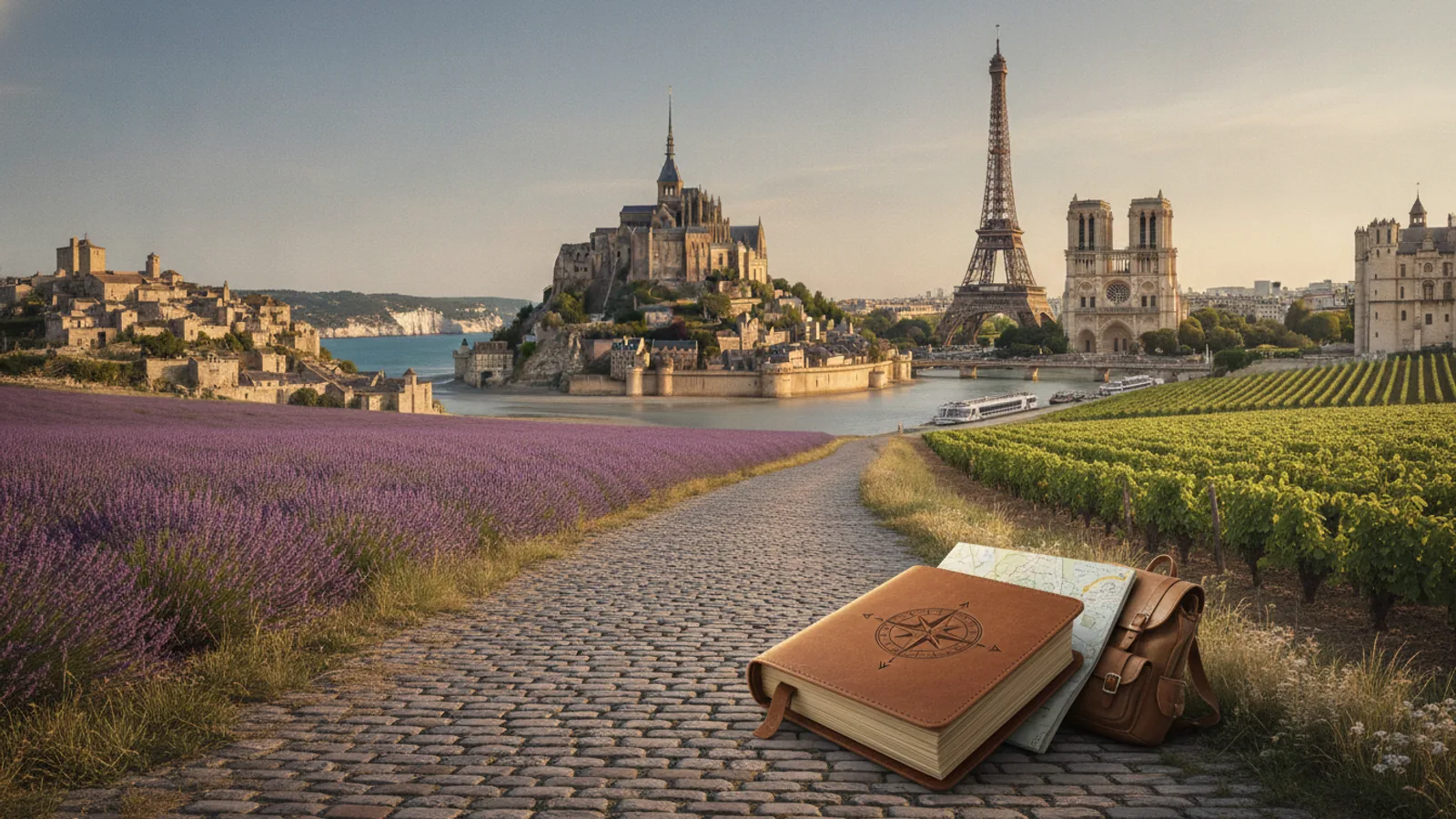
- Charming Villages & Countryside: Provence, with its lavender fields and hilltop villages (like Gordes, Roussillon), or the Dordogne region, known for its caves and medieval castles, are ideal for picturesque drives and a slower pace.
Evaluate Your Budget and Preferred Level of Luxury
France can accommodate all budgets, but some regions are notably more expensive than others:
- Luxury: The French Riviera and parts of Paris (especially central arrondissements) are known for high-end hotels, fine dining, and luxury shopping. Expect higher costs for accommodation, meals, and activities.
- Mid-Range: Most major cities and popular regions (like the Loire Valley or parts of Provence) offer a good balance of quality and cost. You can find comfortable hotels, excellent restaurants, and diverse activities without breaking the bank, especially if you book in advance.
- Budget-Friendly: Less tourist-heavy regions, smaller towns, or staying in guesthouses and self-catering apartments can significantly reduce costs. Destinations in rural France or areas less frequented by international tourists often provide excellent value. Travelling outside of peak season is also a key budget-saving strategy.
Consider the Time of Year for Your Visit
France experiences four distinct seasons, each offering different advantages and disadvantages:
- Spring (April-May): Pleasant temperatures, blooming landscapes (including lavender in late spring in Provence), fewer crowds than summer, and events like the Cannes Film Festival. Ideal for sightseeing and walking.
- Summer (June-August): Warmest weather, perfect for beaches and outdoor activities. However, it's peak tourist season, meaning higher prices, larger crowds, and intense heat, especially in the south. Many locals also take their holidays in August.
- Autumn (September-October): Mild temperatures, beautiful autumn foliage, harvest festivals (especially in wine regions), and fewer tourists. Excellent for cultural tours, hiking, and gastronomy.
- Winter (November-March): Cold weather, potential for snow (especially in the Alps, ideal for skiing). Cities are festive around Christmas. This is the off-peak season, meaning lower prices and fewer crowds, but some attractions may have reduced hours or be closed.
Accessibility and Transportation
Think about how you plan to travel to and around your chosen destination:
- Flights: Major airports are located in Paris (CDG, Orly), Nice, Lyon, Marseille, and Bordeaux, offering direct routes from the GB.
- Train (Eurostar): Direct Eurostar services connect London to Paris and Lille, with onward connections throughout France via the TGV (high-speed train) network. This is often the most convenient way to reach many French cities.
- Driving: For exploring rural areas, such as the Loire Valley, Provence, or the Dordogne, renting a car offers the most flexibility. Ensure you are comfortable driving on the right and are aware of local road rules.
- Public Transport: Major cities like Paris and Lyon have excellent metro and bus networks. Regional trains and buses connect many towns, but service can be less frequent in very rural areas.
Research Local Experiences and Unique Offerings
Each region of France has its unique flavour. Look beyond the main attractions to find what truly sets a place apart:
- Markets: Visit local markets (marchés) for fresh produce, regional specialities, and an authentic glimpse into daily life.
- Festivals & Events: Check local calendars for festivals, concerts, and cultural events happening during your visit.
- Local Cuisine: Sample regional dishes and wines that are unique to your chosen destination.
- Workshops: Consider cooking classes, art workshops, or wine blending experiences for a hands-on cultural immersion.
By systematically reviewing these factors, you can make an informed decision that aligns with your expectations and helps create an unforgettable French adventure.
Final Verdict: Best Places To Visit In France
After careful consideration of France's diverse offerings and taking into account a range of traveller preferences, our top recommendation for the Best Overall place to visit in France for 2026 remains **Paris**. Its unparalleled combination of iconic landmarks, world-class museums, gastronomic excellence, and vibrant city life ensures a rich and fulfilling experience for nearly every type of visitor.
However, your ultimate choice should align with your specific travel goals. If you're seeking breathtaking natural beauty and outdoor activity, the French Alps are unbeatable. For coastal glamour and Mediterranean charm, the French Riviera beckons. History buffs and wine enthusiasts will find their haven in the Loire Valley, while those desiring idyllic countryside, Roman heritage, and charming villages should head to Provence.
Regardless of your preference, France offers a myriad of unforgettable experiences. We encourage you to use this guide to identify the destination that resonates most deeply with your ideal holiday. Begin planning your unforgettable French journey today.
Best Places To Visit In France 2026 FAQ
What is the best time of year to visit France?
The "best" time depends on your activities. Spring (April-May) and Autumn (September-October) offer pleasant weather, fewer crowds, and lower prices, ideal for sightseeing and cultural tours. Summer (June-August) is perfect for beach holidays and outdoor activities, but expect higher prices and larger crowds. Winter (December-March) is best for skiing in the Alps or enjoying festive city breaks, though some rural attractions may close.
Do I need to speak French to travel in France?
While French is the official language, English is widely spoken in major tourist areas, hotels, and larger cities like Paris, Nice, and Lyon. In more rural areas or smaller towns, knowing a few basic French phrases (hello, goodbye, please, thank you) will be greatly appreciated and can enhance your experience.
What are the typical transportation options within France?
France has an excellent high-speed train network (TGV) connecting major cities efficiently. Regional trains and buses serve smaller towns. For rural exploration, renting a car offers the most flexibility. Major cities also have extensive public transport systems (metro, tram, bus).
Is France safe for solo travellers?
Yes, France is generally considered very safe for solo travellers, including women. Standard precautions against petty crime (pickpocketing, especially in crowded tourist areas) should always be observed. Major cities are well-lit and populated, and public transport is reliable.
What should I budget for a trip to France?
Budgets vary significantly by region and travel style. A moderate budget for a comfortable trip might range from £100-£200 per person per day, covering mid-range accommodation, meals, transport, and some activities. Luxury travel in cities like Paris or the French Riviera could easily exceed £300-£500+ per day, while budget-conscious travellers can manage on £50-£90 by staying in hostels, cooking some meals, and using public transport.
What are some unique cultural experiences in France?
Beyond the major museums, consider visiting local markets (marchés), attending a regional cooking class, exploring smaller wine domains for tastings, experiencing a traditional French café culture, or seeking out local festivals (like medieval festivals or music events) which are common throughout the year.