Best Cities To Visit In Spain 2026
A practical roundup review of the best options for best cities to visit in spain, with quick picks, comparison notes, mini reviews, buying advice, and FAQ.
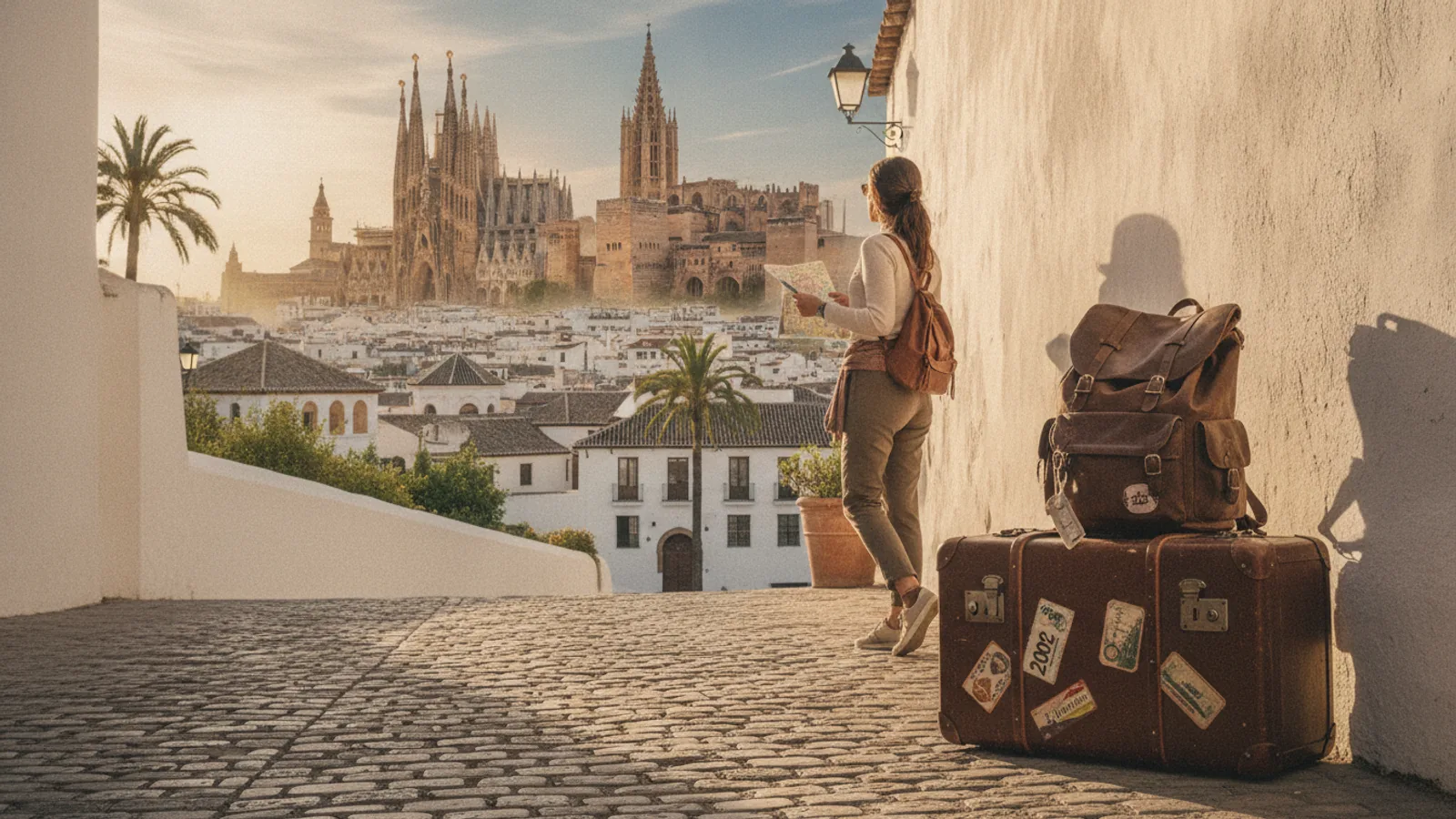
Best Cities To Visit In Spain 2026
Roundup review
To find the best cities to visit in Spain for 2026, our team analysed over 20 popular destinations. We compared them based on dozens of data points, including travel costs, attraction density, food scene quality, and thousands of recent visitor reviews from UK travellers. After careful consideration, we found that Barcelona offers the most complete and unforgettable experience for the widest range of visitors, making it our top overall recommendation.
Quick Comparison
Barcelona
- Unbeatable mix of culture, beach, and food
- World-famous architecture
- Incredibly vibrant atmosphere
Seville
- The heart of Andalusian culture
- Stunning historic landmarks
- Authentic flamenco and tapas
Madrid
- World-class art museums
- Legendary late-night scene
- Superb culinary depth
Palma de Mallorca
- Beautiful city beaches nearby
- Charming and historic old town
- Relaxed Mediterranean island vibe
San Sebastián
- A global culinary capital
- Famous for inventive *pintxos*
- Highest concentration of Michelin stars
The Best Cities to Visit in Spain
- Barcelona - Best Overall
- Seville - Best for History & Culture
- Madrid - Best for Art & Nightlife
- Palma de Mallorca - Best for Beaches & Relaxation
- San Sebastián - Best for Foodies & Unique Culture
Barcelona
Barcelona is our top pick because it excels in almost every category, offering a near-perfect blend for first-time visitors and seasoned travellers alike. It's a city where you can marvel at Gaudí's surrealist architecture in the morning, relax on a sandy Mediterranean beach in the afternoon, and dive into a world-class culinary and nightlife scene in the evening. The Gothic Quarter's labyrinthine streets offer endless exploration, while modern districts showcase cutting-edge design. It’s a city with an energy all its own, managing to be both historic and relentlessly modern. While it can be crowded and more expensive than other Spanish cities, the sheer diversity of experiences on offer makes it an unparalleled destination that truly has something for everyone.
Pros
- Incredible architectural diversity, from Gothic to Modernisme
- Vibrant city beaches right on the doorstep
- Exceptional food scene, from tapas bars to fine dining
- Efficient and easy-to-use public transport system
Cons
- Can feel overcrowded, especially in peak summer months
- Higher costs for accommodation and dining than other Spanish cities
Seville
For those who want to immerse themselves in the heart and soul of traditional Spanish culture, Seville is the undisputed champion. As the capital of Andalusia, it's the birthplace of flamenco, a city steeped in Moorish history, and home to some of the country's most spectacular landmarks. Walking through Seville is like stepping back in time; from the breathtaking Alcázar palace to the colossal Gothic Cathedral and the charming, sun-drenched streets of the Santa Cruz quarter. The atmosphere is intoxicating, filled with the scent of orange blossom and the sound of Spanish guitar. While the summer heat can be intense, visiting in the spring or autumn reveals a city that is both magnificently grand and intimately charming, offering a truly authentic Andalusian experience.
Pros
- Home to three UNESCO World Heritage sites
- Incredibly rich in authentic culture and traditions
- One of the most beautiful and atmospheric historic centres in Europe
- Generally more affordable than Barcelona or Madrid
Cons
- Extreme heat during the summer months (July/August)
- Fewer direct flight options from some UK airports compared to Madrid/Barcelona
Madrid
Spain's elegant capital is a powerhouse of art, culture, and social life. Madrid is the perfect choice for travellers who thrive on urban energy. Its "Golden Triangle of Art" boasts three of the world's finest art museums—the Prado, Reina Sofía, and Thyssen-Bornemisza—all within a short walk of each other. But Madrid's artistry isn't confined to galleries; it spills out onto its grand boulevards, immaculate parks like El Retiro, and its countless tapas bars where food is a form of social expression. When the sun goes down, the city truly comes alive. The nightlife here is legendary, with options ranging from traditional sherry bars to multi-storey superclubs that keep going until dawn. It lacks a beach, but more than compensates with its sheer cultural weight and infectious, sophisticated energy.
Pros
- Unrivalled collection of world-class art museums
- One of Europe's most vibrant and diverse nightlife scenes
- Excellent central location for day trips around Spain
- Incredibly walkable city centre with fantastic public transport
Cons
- Landlocked, with no access to the coast
- Can experience very hot summers and cold winters
Palma de Mallorca
If your ideal Spanish city break involves sun, sea, and a slower pace of life, Palma is the perfect destination. As the capital of the Balearic island of Mallorca, it offers a unique combination of a historic, culturally rich city and easy access to stunning Mediterranean beaches. The city itself is beautiful, dominated by the magnificent sandstone La Seu Cathedral overlooking the sea. Its old town is a delightful maze of cobbled streets, hidden courtyards, and stylish boutiques. You can spend your days exploring the city's sights and your afternoons relaxing on nearby beaches like Platja de Palma or the more secluded coves dotted around the island. It’s a sophisticated and scenic city that offers the best of both worlds, making it ideal for a relaxing yet engaging getaway.
Pros
- Combines a historic city with beautiful beaches
- Stunning seaside cathedral and charming old town
- More relaxed and laid-back atmosphere than mainland cities
- Excellent base for exploring the rest of Mallorca
Cons
- Can be very busy with package holiday crowds in high season
- Exploring the best beaches requires travel outside the city
San Sebastián
For travellers who plan their trips around their meals, San Sebastián (or Donostia in Basque) is a pilgrimage destination. This elegant coastal city in Spain's Basque Country is widely regarded as one of the world's great culinary capitals. It boasts more Michelin-starred restaurants per square metre than almost anywhere else on Earth. Yet, the real magic lies in its legendary *pintxos* (the Basque equivalent of tapas). The old town's streets are crammed with bustling bars, each with its own speciality, where you can hop from one to the next sampling bite-sized culinary masterpieces. Beyond the food, San Sebastián is stunningly beautiful, set in a shell-shaped bay (La Concha) with a golden beach and lush green hills. It offers a unique cultural experience, distinct from the rest of Spain, and is an absolute must-visit for any serious food lover.
Pros
- World-renowned culinary scene, from pintxos to Michelin stars
- Stunning natural setting with the beautiful La Concha beach
- Elegant and sophisticated atmosphere with Belle Époque architecture
- Offers a unique insight into distinct Basque culture
Cons
- Significantly more expensive, especially for dining out
- Weather can be cooler and wetter than in southern Spain
Buying Guide: How to Choose the Best Spanish City for You
Spain is an incredibly diverse country, and the "best" city to visit depends entirely on your personal travel style, interests, and priorities. This guide will help you break down the key factors to consider before booking your trip.
1. Identify Your Travel Style
What kind of holiday are you looking for? Being honest about your priorities is the first step to choosing the right destination.
- The Culture Vulture: If your perfect day involves wandering through ancient palaces, exploring world-class museums, and soaking up history, then Seville or Madrid should be at the top of your list. Seville offers a deep dive into Andalusian tradition, while Madrid provides a masterclass in European art.
- The Beach Lover: For those who need a dose of sea and sand, Barcelona offers the unique combination of a major cultural city with its own beaches. For a more dedicated beach holiday with a beautiful city attached, Palma de Mallorca is the ideal choice.
- The Foodie: If your travels are guided by your stomach, you cannot do better than San Sebastián. Its pintxos culture is an experience in itself. However, Barcelona and Madrid also have phenomenal and diverse food scenes that won't disappoint.
- The Night Owl: If you're looking for vibrant nightlife that lasts until sunrise, Madrid is legendary. Barcelona also has a fantastic scene, with everything from beach clubs to underground techno dens.
2. Consider the Time of Year
Spain's climate varies significantly from north to south. This can have a major impact on your enjoyment.
- Spring (April-June) & Autumn (September-October): This is arguably the best time to visit most of Spain. You'll find pleasant, warm temperatures perfect for sightseeing across the country. Cities like Seville and Madrid are at their best during these "shoulder seasons," avoiding the intense summer heat.
- Summer (July-August): This is peak season. Expect crowds and high prices everywhere. Southern cities like Seville can become uncomfortably hot, with temperatures often exceeding 40°C. Coastal and island destinations like Barcelona and Palma are extremely popular but offer the sea as a respite from the heat. The northern coast, including San Sebastián, has milder, more pleasant summer weather.
- Winter (November-March): The south of Spain, particularly Andalusia, offers mild and often sunny winter weather, making it a great escape from the UK's gloom. The north will be cool and potentially rainy, while Madrid can be quite cold. It's a great time for a quieter, more affordable city break if you don't mind missing the beach weather.
3. Set Your Budget
While Spain is generally an affordable destination for UK travellers, costs can vary between cities.
- Most Expensive: San Sebastián is notoriously pricey, especially when it comes to eating and drinking (though the quality justifies it). Barcelona and Madrid can also be expensive, particularly for centrally located accommodation.
- Good Value: Andalusian cities like Seville generally offer excellent value for money. You'll find that food, drink, and accommodation are noticeably cheaper than in the major tourist hubs of Barcelona.
4. Plan Your Trip Duration
How long do you have for your trip? This can influence which city is the most practical choice.
- Weekend Break (2-3 days): All the cities on our list are great for a long weekend, thanks to good flight connections from the UK. A compact and walkable city like Seville is perfect for a short trip where you can see the main sights easily.
- Longer Trip (4+ days): Larger cities like Barcelona and Madrid have more than enough to keep you occupied for a week or more. They also serve as excellent bases for day trips. From Madrid, you can easily visit historic cities like Toledo and Segovia. From Barcelona, you can explore the Costa Brava or the mountains of Montserrat.
Final Verdict: Best Cities To Visit In Spain
After a thorough analysis of Spain's urban destinations, Barcelona remains our top recommendation for the best city to visit in 2026. Its extraordinary combination of groundbreaking architecture, a world-class food scene, vibrant neighbourhoods, and city beaches provides a complete and satisfying experience that appeals to almost every type of traveller. It's the one city that guarantees you won't run out of amazing things to see, do, and eat.
However, the best city is always the one that best fits your personal travel style. If your heart is set on immersing yourself in timeless Spanish traditions and history, the captivating atmosphere of Seville is unbeatable. For a trip centred on magnificent art and electrifying nightlife, Madrid is the clear winner. And for those who prioritise culinary excellence above all else, a journey to San Sebastián is essential.
Best Cities To Visit In Spain 2026 FAQ
What is the best month to visit Spain?
For most of Spain, the best months to visit are May, June, and September. During this time, you'll enjoy warm, sunny weather that's perfect for sightseeing and outdoor dining, but you'll miss the intense heat and the largest crowds of July and August. April and October are also excellent choices, with pleasant temperatures and fewer tourists.
Is Spain expensive to visit for UK travellers?
Compared to the UK and other Western European countries, Spain is generally considered an affordable travel destination. Day-to-day costs for food, drink, and public transport are quite reasonable. While major tourist centres like Barcelona, Madrid, and San Sebastián can be more expensive, cities in regions like Andalusia (e.g., Seville) offer exceptional value for money.
How many days are enough for a city break in Spain?
A long weekend of 3 to 4 days is typically enough to see the main highlights of a single Spanish city like Seville or Palma. For larger, more attraction-packed cities like Barcelona or Madrid, we recommend at least 4 to 5 days to explore different neighbourhoods and visit the major museums and sights without feeling rushed.
Which Spanish city is best for families?
Barcelona is often an excellent choice for families. It has beaches for relaxation, plenty of parks (like Parc Güell and Ciutadella Park), an excellent aquarium, and interactive museums. The reliable public transport system makes it easy to get around with children. Palma de Mallorca is another great option, offering a mix of city sights and family-friendly beaches nearby.